Your Support Makes Us More Than a Typical Hospital for Kids Like Jonathan
First-time parents Amanda and Nick were thrilled to be expecting a baby boy, Jonathan, in January of 2020. At Amanda’s 20 weeks appointment in October 2019, an anatomy scan revealed Jonathan’s heart was not forming as it should.
“I had a healthy pregnancy and we were completely surprised to find out about Jonathan’s heart condition,” Amanda said. “We were referred to fetal specialists at The Children’s Hospital of San Antonio for another ultrasound and more specialized care.”
Specialists at The Children’s Hospital confirmed Jonathan had hypoplastic left heart syndrome, a birth defect in which the left side of the heart does not form correctly, affecting blood flow through the heart.
“We were told that Jonathan would probably have to be taken immediately to the neonatal intensive care unit (NICU) from the delivery room after birth,” Amanda said. “We were nervous with anticipation, but our doctors were amazing. They explained everything in detail at all of our cardiology appointments; they even drew pictures for us. They recognized it was a hard place to be in as parents. They definitely made what felt like an impossible situation seem more attainable.”
Jonathan was born in January 2020 at The Children’s Hospital of San Antonio, weighing a healthy eight pounds, 15 ounces.
“Labor was the easiest part of our journey. At that point, we couldn’t fully comprehend what Jonathan’s path to health would look like, but our baby cried when he was born and we were relieved to have that moment of hope,” Amanda said. “They rested him on my chest for one minute while the umbilical cord was cut. Jonathan was able to stay in the delivery room for several minutes before the team took him to the NICU.”
Jonathan’s aorta, the main path from the heart to the body, had not fully formed. He underwent his first surgery, the Norwood procedure, at just one week old. Surgeons reconstructed his aorta and inserted a shunt to assist with blood flow to the main arteries and lungs.
“It was the longest day of our lives,” Amanda said. “We were able to give him a kiss before he went into surgery at 6:00 a.m. After a few complications, a five-hour surgery turned into a full 10-hour day.”
Jonathan returned to the NICU to recover. He began experiencing arrhythmias, or abnormal heartbeats, so doctors chose to keep him inpatient for monitoring until his next surgery. The family spent 155 days in the hospital.
“It was the longest day of our lives,” Amanda said. “We were able to give him a kiss before he went into surgery at 6:00 a.m. After a few complications, a five-hour surgery turned into a full 10-hour day.” Jonathan returned to the NICU to recover. He began experiencing arrhythmias, or abnormal heartbeats, so doctors chose to keep him inpatient for monitoring until his next surgery. The family spent 155 days in the hospital.
In the spring, Jonathan had his second surgery, the Glenn procedure. The goal of the surgery was to help blood from the upper part of his body (head, neck, arms) go directly to the lungs, allowing the blood to pick up oxygen without passing through the heart. He recovered in the pediatric intensive care unit (PICU) for two weeks.
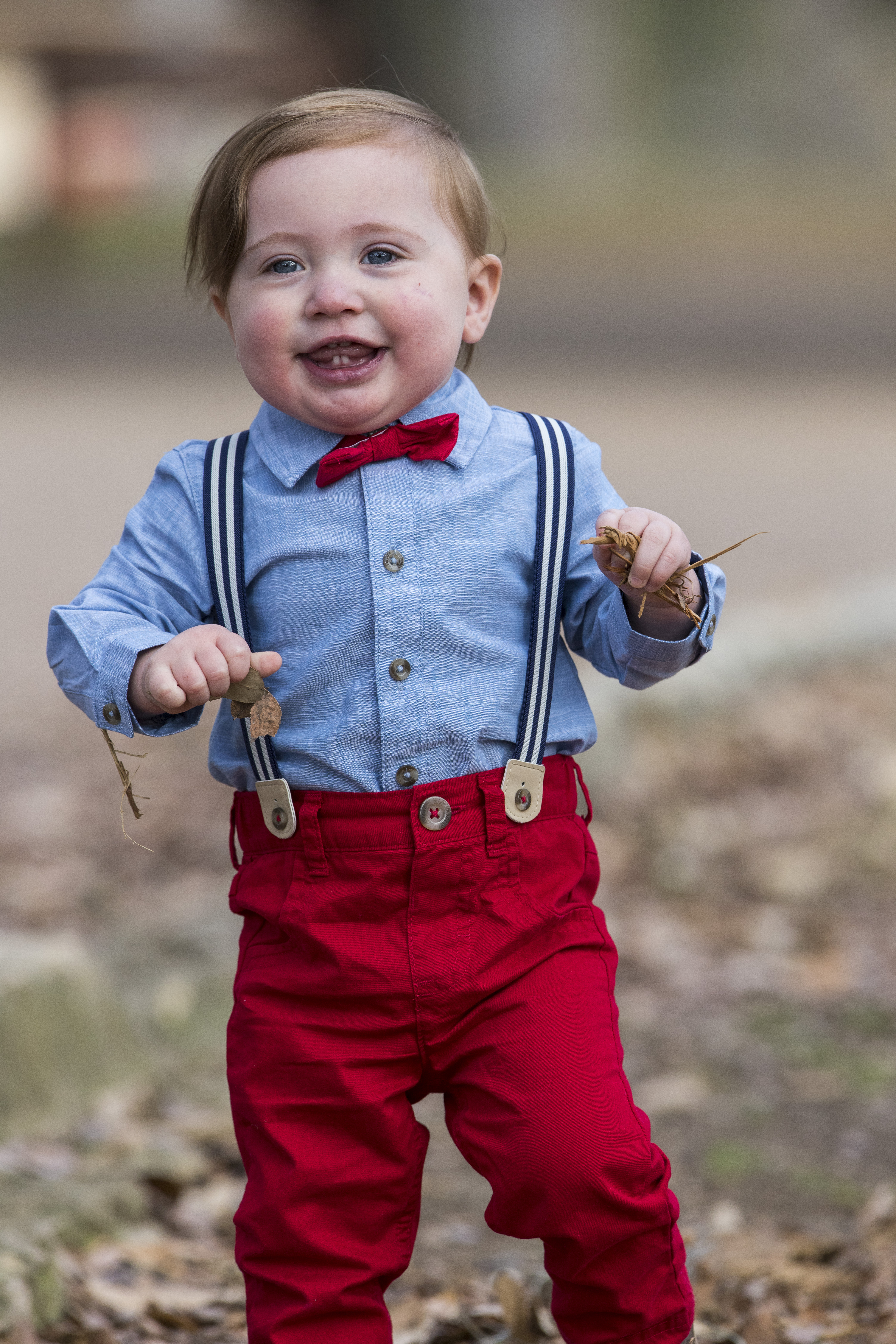
Today, Jonathan is a happy, healthy one-year-old. He is hitting all of his milestones without delay and started walking before his first birthday. He babbles and loves playing outside. Jonathan continues to see his cardiologists every two to three months. He will need at least one more surgery between the ages of three and six, depending upon how his body adapts to the first two surgeries. He had his NG-tube removed last fall and is able to eat on his own.
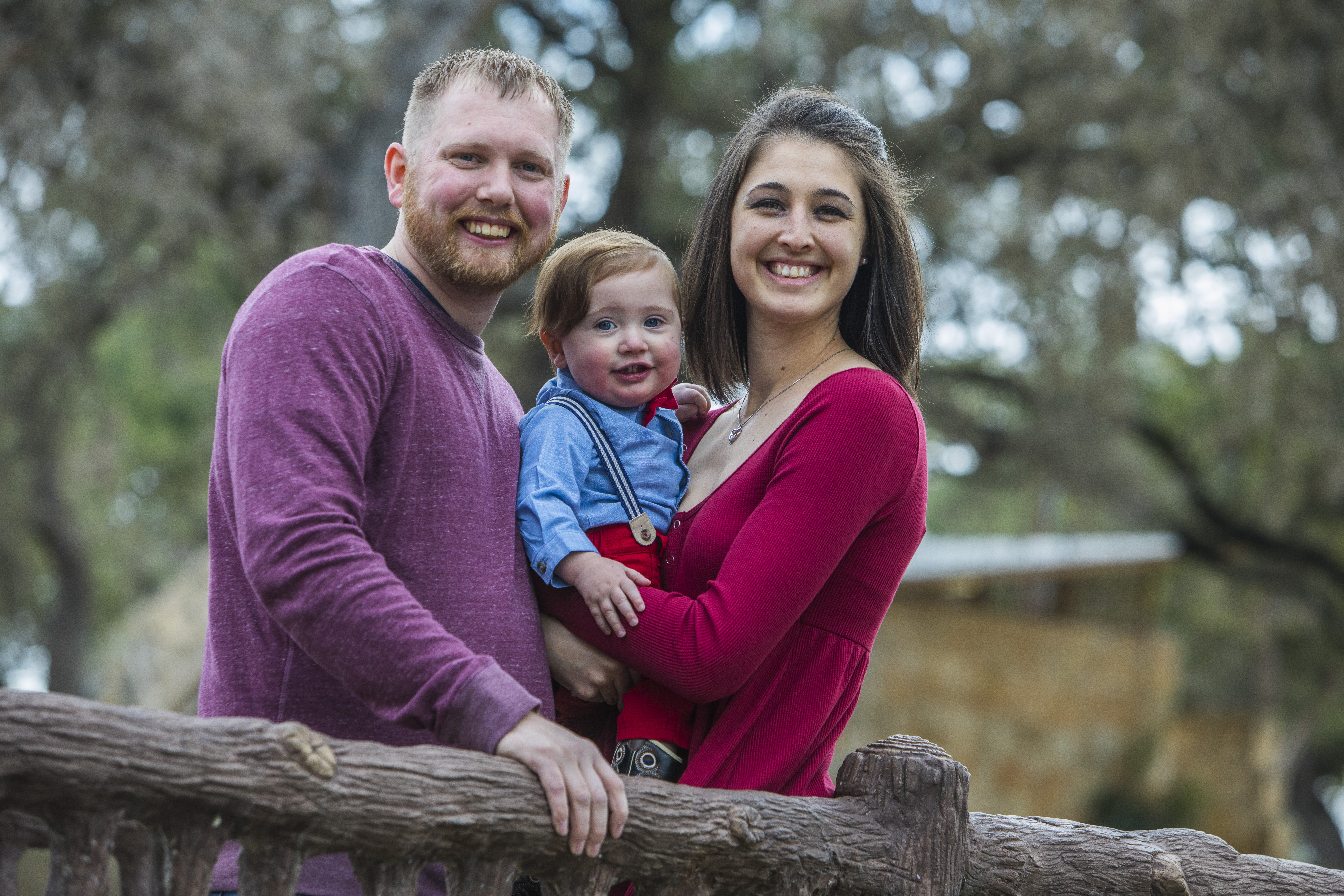
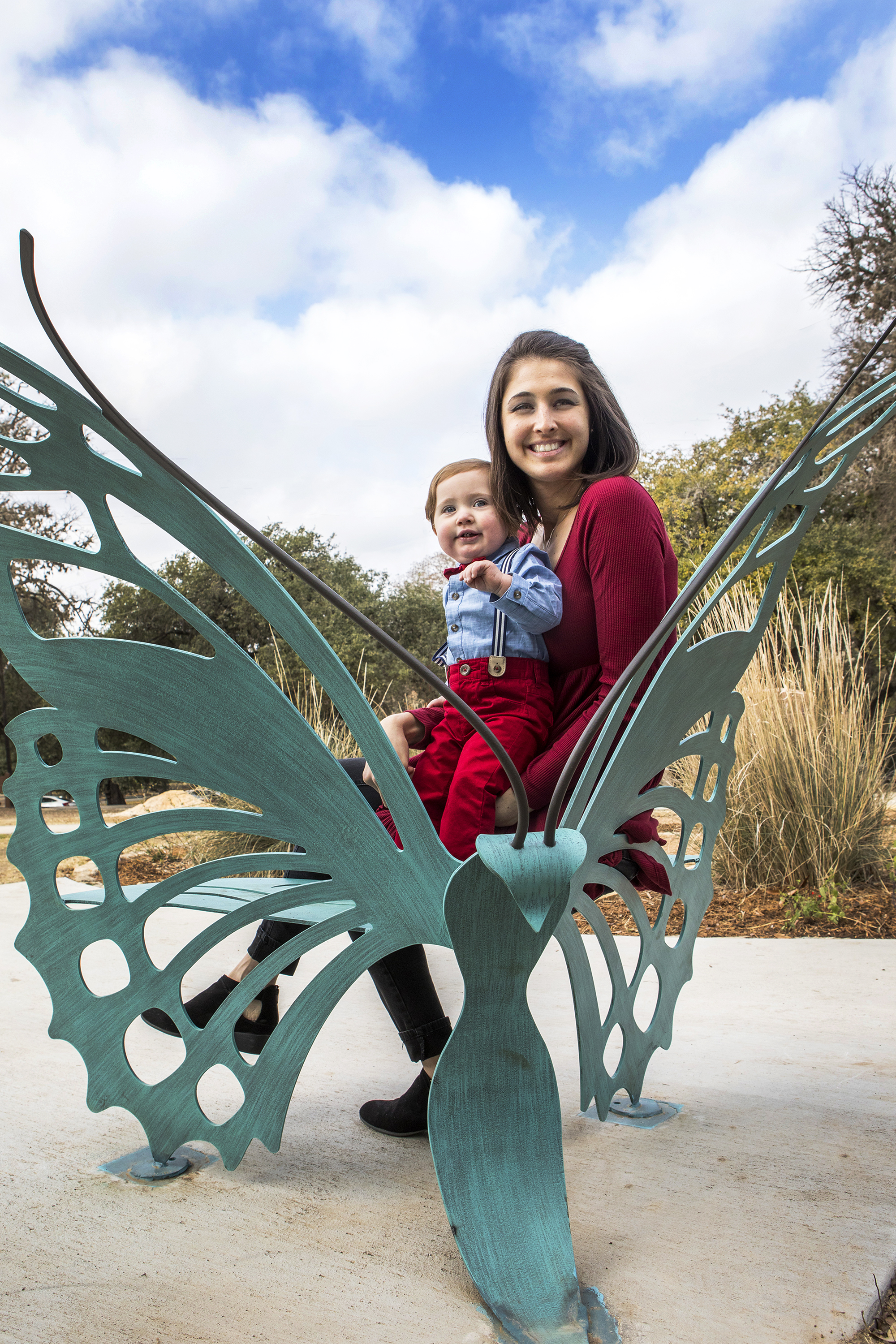
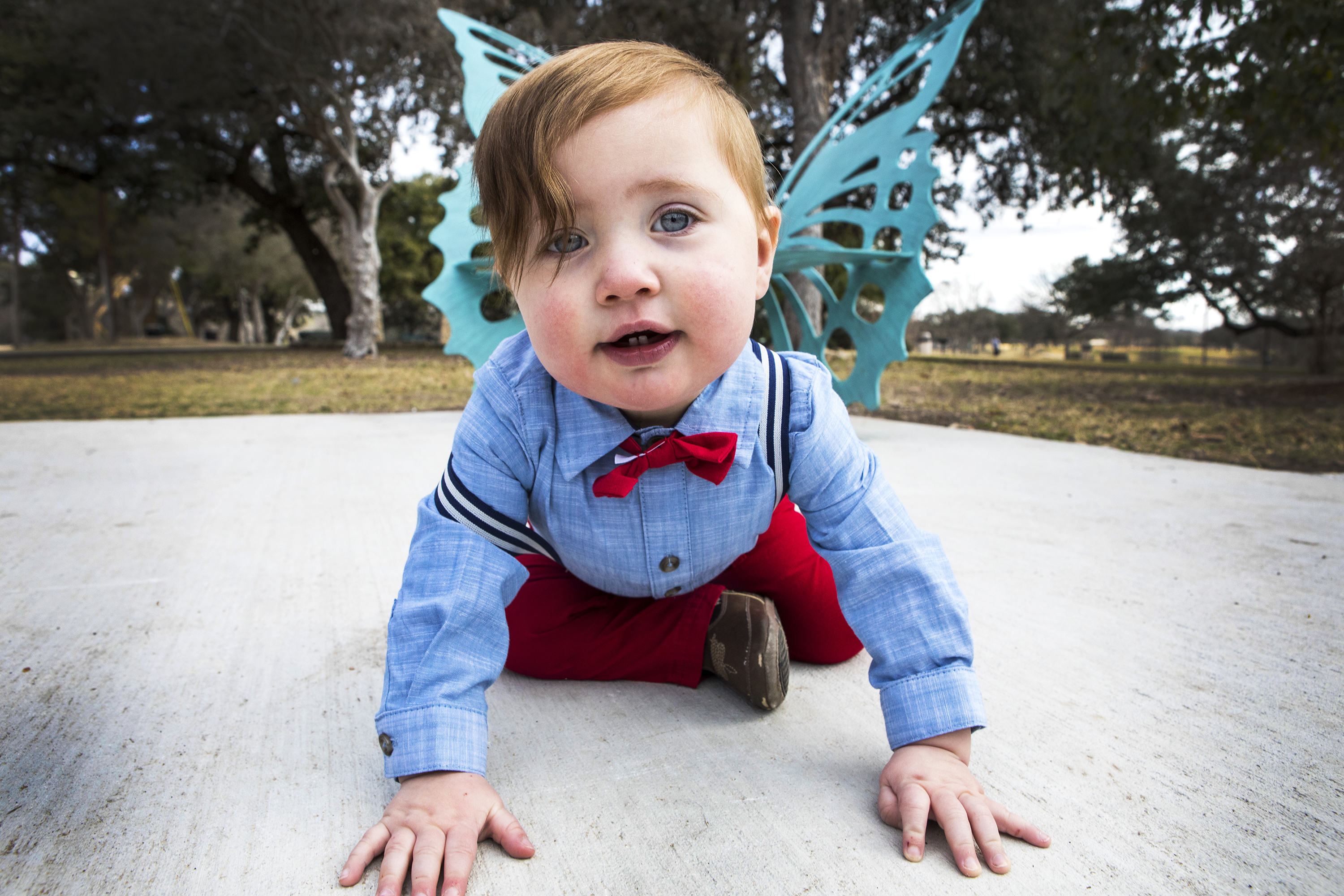
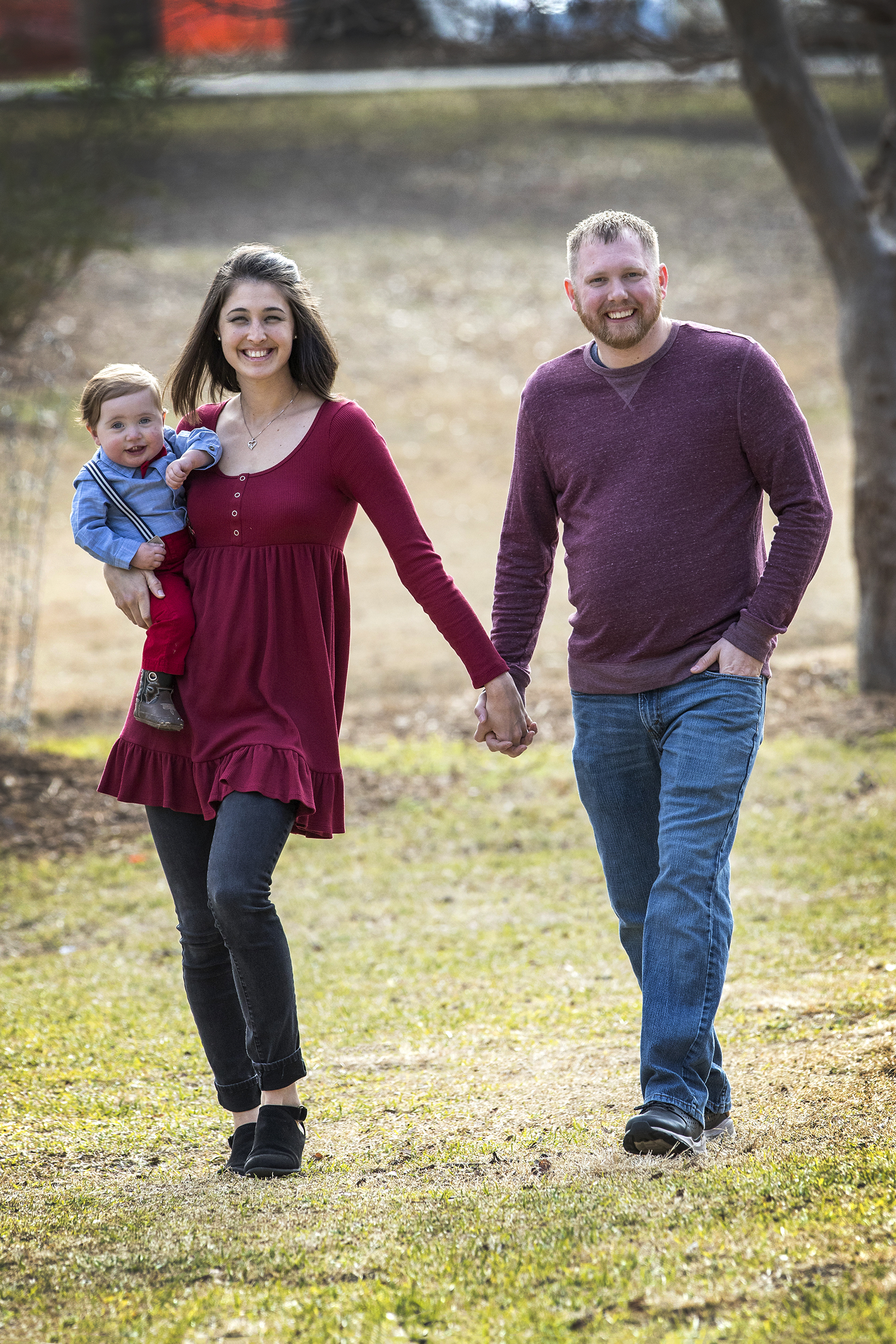
“Jonathan is the happiest baby, always smiling. He’s energetic and resilient. Other than the scar on his chest, no one could look at him and guess he had such a difficult start,” Amanda said. “He’s not your typical one-year-old. We worked with him a lot to get him where he is now, but his success is also due to the high quality of care and love we received at The Children’s Hospital of San Antonio – it’s not your typical hospital. It’s so much more.”
With the help of donors like you, The Children’s Hospital of San Antonio is able to provide the best care for all patients. Our integrated group of specialists bring together a multidisciplinary approach from many specialties to care for children with heart defects. A lead gift from the Max and Minnie Tomerlin Voelker Fund helped complete the renovation of 1,500-square-feet of space to create a new Cardiac Catheterization Lab (Cath Lab) at The Children’s Hospital. The Cath Lab is specially designed for children and surgical procedures. Cardiac catheterization is one of the many pediatric cardiology services our children’s heart experts offer to ensure a child’s healthy future. Pediatric cardiac catheterization is a non-surgical procedure that can be used in infants, children, and teens to diagnose problems with the heart, and helps specialists perform a repair, or determine whether a child qualifies for repair on his or her heart without the need of a true open-heart surgery.
To learn more about supporting The Children’s Hospital of San Antonio, please visit ChildrensHospitalSAFoundation.org.
 CHRISTUS Children's Foundation
Leave a comment